In today’s global environment, luxury no longer revolves solely around design, scale, or architectural prestige. Increasingly, affluent buyers prioritize a different form of value — one defined by stability, safety, and predictability. Lifestyle security has emerged as a decisive factor in high-end property demand, reshaping how ultra-high-net-worth individuals evaluate prime locations.
Luxury historically signified exclusivity and aesthetic distinction. While these elements remain relevant, they now coexist with a deeper concern: long-term personal and financial security. Buyers increasingly assess not only the property itself, but the broader environment in which it exists. Political stability, low crime rates, strong institutions, reliable healthcare systems, and infrastructure resilience now influence acquisition decisions as powerfully as waterfront views or architectural pedigree.
For globally mobile investors, property functions as both residence and strategic asset. Wealth preservation increasingly depends on jurisdictional stability and governance reliability. Markets that offer transparent legal systems, secure property rights, and consistent regulatory frameworks attract disproportionate attention from international buyers seeking capital protection. In this context, safety becomes an investment criterion rather than a secondary lifestyle consideration.
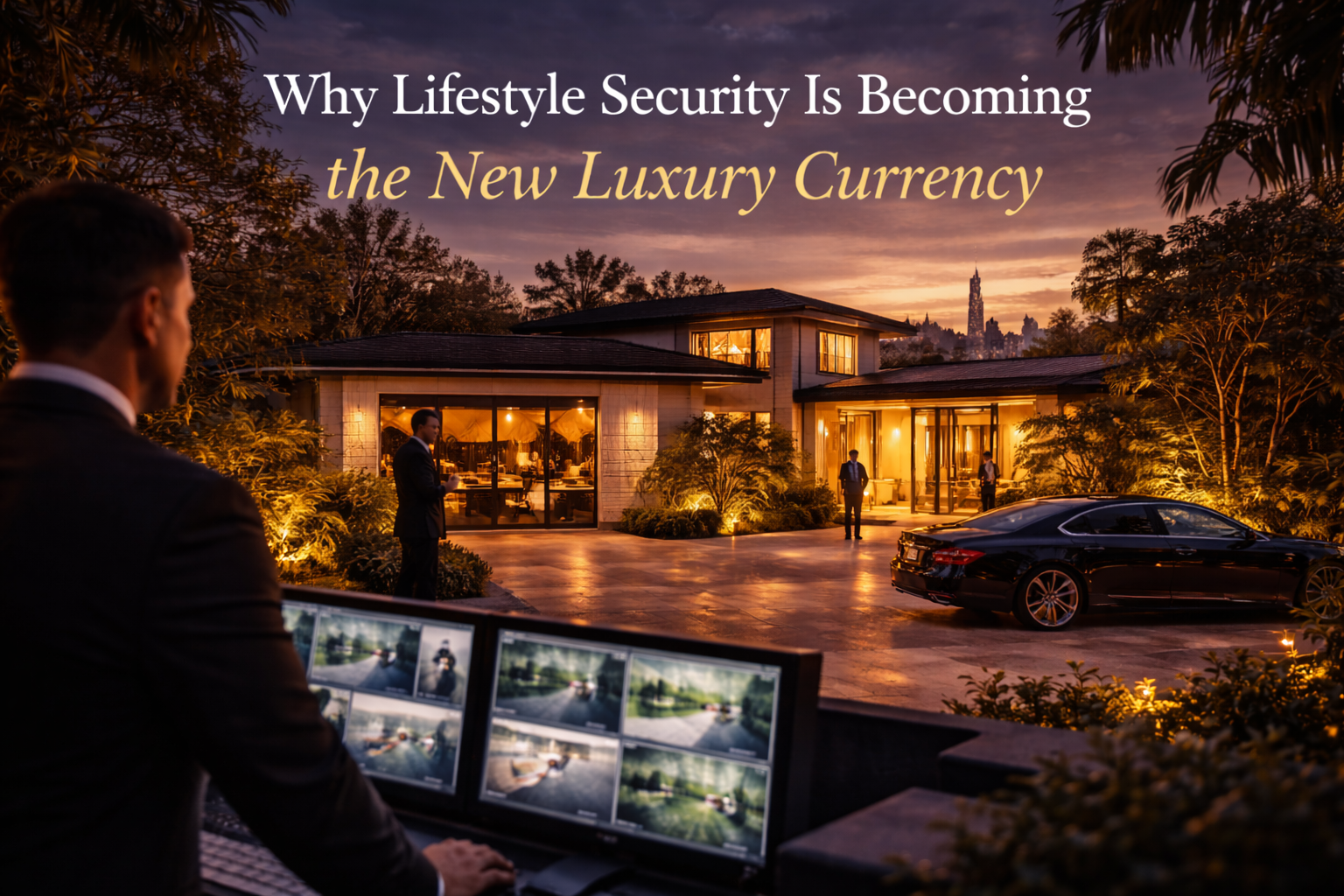
Privacy also plays a central role. As public visibility and digital exposure expand, affluent individuals value environments that offer discretion and controlled access. Gated communities, low-density enclaves, and jurisdictions with strong data protection standards have grown in appeal. Security today extends beyond physical protection — it encompasses digital, reputational, and structural safeguards.
Global events over the past decade have accelerated this shift. Geopolitical tensions, economic volatility, and public health crises have heightened awareness of systemic vulnerabilities. Buyers increasingly seek locations that demonstrate resilience under stress. Markets capable of maintaining order, continuity, and institutional functionality during periods of uncertainty reinforce long-term confidence.
Importantly, lifestyle security does not eliminate the pursuit of prestige. Instead, it reframes luxury around quality of life and durability. Buyers now weigh education systems, healthcare standards, environmental quality, and infrastructure stability alongside traditional markers of exclusivity. A location’s ability to deliver continuity and predictability enhances its perceived value.
This evolution also influences pricing dynamics. Prime markets recognized for safety and institutional strength often command sustained demand, even during broader economic slowdowns. Stability creates buyer conviction, and conviction supports liquidity and price resilience. In this sense, security becomes a form of currency — one that strengthens market positioning over time.
For many ultra-high-net-worth individuals, multiple residency strategies further reflect this priority. Diversification now extends beyond asset classes into jurisdictions. Buyers allocate capital across regions that combine lifestyle appeal with political and social stability. Property ownership becomes part of a broader geographic risk management strategy.
Ultimately, luxury real estate no longer represents only aspiration or status. It increasingly represents strategic positioning within a complex global landscape. Buyers seek environments that protect not just their wealth, but their families, privacy, and long-term continuity.
In this evolving context, lifestyle security has become more than a desirable feature. It has become a defining characteristic of modern luxury — a new currency shaping where global capital flows and where the world’s most discerning buyers choose to reside.