
Best Tapas in Marbella 2026: A Local’s Guide to 16 Spots Where We Actually Eat
This is not a list scraped from TripAdvisor. This is where people who live in Marbella year-round — not tourists passing through in August — actually go for tapas. The best tapas in Marbella are not in the restaurants with the biggest terrace on the plaza or the most Google reviews. They are in the narrow side streets of the Old Town where the chalkboard menu changes daily, in the San Pedro bars where the owner knows your name and your order, in the Estepona tabernas where fishermen still deliver the catch to the kitchen door, and in the neighbourhood joints along the coast where a full lunch with wine costs less than a single cocktail at a Puerto Banús beach club. This guide covers 16 tapas spots across the two areas where locals actually eat — Marbella Old Town and San Pedro — with specific dishes to order, honest prices, the best time to go, and the insider knowledge that separates a tourist meal from a local experience.

The Rules of Best Tapas in Marbella: How to Eat Like a Local
Before the list — the rules. Because how you eat tapas matters as much as where you eat them. Tapas is not a meal — it is a ritual. Understanding the ritual is what separates the tourist experience (sitting down at 7 PM, ordering three dishes, paying €45 and leaving confused) from the local experience (arriving at 9:30 PM, standing at the bar, ordering one tapa at a time, moving to the next bar, and spending a magical 3 hours eating your way through a neighbourhood for €25).
Rule 1: Go late. Lunch tapas start at 1:30-2 PM (not noon). Dinner tapas start at 9-9:30 PM (not 7 PM). If you arrive at 7 PM for dinner, you will be the only people in the restaurant, the kitchen may not be fully operational, and you will miss the atmosphere entirely. The best tapas bars in Marbella come alive after 9:30 PM — that is when the Spanish families arrive, the noise level rises, the waiter starts shouting orders to the kitchen, and the magic happens. Spanish dining culture, as Spain’s official tourism board explains, revolves around late meals and social eating. See our Spanish neighbours guide for more cultural context.
Rule 2: Stand at the bar. Many tapas bars have two pricing systems: barra (bar) and mesa (table). At the bar, tapas are €2-€4 each. At a table, the same dishes become raciones (larger portions) at €8-€16 each. Standing at the bar is not a second-class experience — it is the authentic experience. You see the food being prepared, you point at what looks good, you chat with the barman, and you pay less. Table service is for groups, celebrations and when you want to sit down — but the soul of tapas is at the bar.
Rule 3: Order one tapa at a time. Do not order 6 dishes at once. Order one, eat it, see what else looks good, order another. Tapas is designed for grazing — for discovering what the kitchen is making today, not for planning a three-course meal. The best tapas spots change their menu daily based on what arrived fresh that morning. Ask the waiter “¿Qué hay hoy?” (What’s on today?) and follow their recommendation.
Rule 4: Move bars. The tapas crawl (ir de tapas) is the tradition of visiting 2-4 bars in a single evening, having 1-2 tapas at each. You do not spend the entire evening in one place. You have croquetas at one bar, gambas al ajillo at the next, jamón ibérico at the third, and churros at the fourth. The movement is the experience — strolling through cobbled streets between stops, glass of wine or caña (small beer) in hand, is as much part of the evening as the food itself.
Rule 5: Drink what the bar pours. Every tapas bar has a house wine (vino de la casa) — typically €2-€3 for a generous glass. It is not a Rioja Reserva — it is a simple, drinkable, often surprisingly good wine that the owner has chosen to complement the food. Order it. The alternative: a caña (small draught beer, €1.50-€2.50) or a tinto de verano (red wine with lemon soda — the Spanish summer drink that is infinitely better than sangría and costs a third of the price). See our festivals guide for more dining suggestions around events.
Marbella Old Town: Where Tradition Lives
The Casco Antiguo is the heart of tapas in Marbella — cobbled streets, whitewashed buildings, bougainvillea cascading over doorways, and a concentration of authentic bars within a 5-minute walk that rivals any neighbourhood in Seville or Granada. This is where you come for the quintessential Spanish tapas experience on the Costa del Sol. Every restaurant listed here is within walking distance of Plaza de los Naranjos (Orange Square).
1. La Tienda Casa Curro
The new generation of Marbella tapas. Located on Calle Virgen de los Dolores in the Old Town, La Tienda is the creative evolution of the legendary Casa Curro next door. The concept: wine-focused tapas with an emphasis on premium ingredients — artisan cheeses, Iberian charcuterie, creative small plates and a wine programme that rivals standalone wine bars. The space is intimate, the atmosphere conversational, and the quality consistently exceptional. This is where to bring someone who says “I don’t really like tapas” — because La Tienda redefines what tapas can be. Order the cured meats board, the smoked sardine, and ask the sommelier to pair wines.
📍 C/ Virgen de los Dolores, Old Town · 💰 €35-€55/person · 🕐 Best: 9 PM weekdays · 📞 Reserve on weekends
2. Taberna Casa Curro
The classic next door. If La Tienda is the modern evolution, Taberna Casa Curro is the original — a traditional Spanish tapas bar that has been feeding locals and visitors for years with unpretentious, perfectly executed classics. Jamón ibérico carved to order, patatas bravas with proper allioli, gambas al ajillo in a clay cazuela, croquetas that are crunchy outside and molten inside. The décor is rustic — wooden beams, tiled walls, handwritten menus — and the atmosphere is exactly what you want from a Spanish taberna. No reservations needed for the bar; tables book up on weekends.
📍 C/ Virgen de los Dolores, Old Town · 💰 €20-€35/person · 🕐 Best: Late afternoon for the after-work crowd · Walk-in OK at the bar
3. Taberna La Niña del Pisto
The wine lover’s tapas bar. On Calle San Lázaro, this exposed-brick taberna specialises in Andalusian tapas paired with an impressive Spanish wine selection. The raciones (sharing plates) are generous — this is a spot for settling in with friends rather than a quick tapa at the bar. The octopus, the salmorejo (Córdoba-style cold tomato soup, thicker and richer than gazpacho), and the tarta de queso are consistently excellent. The staff are knowledgeable about wine and happy to guide your choices through Andalusian, Rioja and Ribera del Duero selections.
📍 C/ San Lázaro, 1, Old Town · 💰 €25-€45/person · 🕐 Best: 9:30 PM for atmosphere · Reserve for tables
4. El Patio de Mariscal
200 years of Andalusian cooking. Set in a stunning traditional Andalusian patio — exactly the kind of courtyard that makes you fall in love with Spain — El Patio de Mariscal serves pescaíto frito (fried fish assortment), gambas al pil-pil (chilli garlic prawns), and Andalusian classics in a space that feels like dining in someone’s centuries-old home. The patio itself, with its tiled floors, potted plants and open sky, is as much the experience as the food. A hidden gem that regulars guard fiercely.
📍 Old Town (near Plaza de los Naranjos) · 💰 €25-€40/person · 🕐 Best: Warm evenings when the patio is open · Reserve in summer
5. Taberna El Bordón
The traditional tapas purist. Rustic, authentic, no-frills — El Bordón is the kind of bar that has existed in every Spanish town for 50 years and does not need to modernise because the formula is perfect. Classic regional dishes, proper portions, fair prices, and an atmosphere that is unapologetically local. The type of place where the waiter does not bring a menu in English because why would he — this is Spain. If your Spanish is basic, point at what other people are eating. You will not go wrong.
📍 Old Town · 💰 €15-€25/person · 🕐 Any time — this is a bar that works all day · Walk-in always
6. El Boquerón
Family-owned, wine-and-tapas perfection. A family-run tapas and wine bar in the heart of the Old Town. The name means “anchovy” — and the boquerones en vinagre (white anchovies in vinegar) are the house signature, along with traditional Andalusian fried fish, seasonal vegetables and a carefully curated Spanish wine list. The atmosphere is cosy and warm, the service personal (the family works the floor), and the prices are honest. This is the kind of place that makes you want to move to Marbella — not the beach clubs, not the superyachts, but a €3 tapa and a €2.50 glass of wine in a cobbled alley at 10 PM on a Tuesday.
📍 Old Town · 💰 €20-€35/person · 🕐 Best: Tuesday-Thursday for locals-only atmosphere
7. Casanis Bistrot
French-Mediterranean tapas in the Old Town. Nestled on Calle Ancha, Casanis blends French elegance with Mediterranean flavours in an intimate Old Town setting. Not a traditional tapas bar — more a bistrot with tapas-sized sharing portions — but the quality of ingredients, the attention to detail and the warm service make it one of the most enjoyable dining experiences in Marbella at any price point. The tartare is immaculate, the foie melts on the tongue, and the fish of the day is prepared with French technique and Andalusian soul. A favourite for couples and anniversary dinners who want something more refined without losing the intimacy of tapas culture.
📍 C/ Ancha, Old Town · 💰 €40-€60/person · 🕐 Best: Dinner, Tuesday-Saturday · Reserve always
8. Nolita Bistro
Modern Mediterranean with a fusion edge. Also in the Old Town, Nolita brings a contemporary energy to the tapas concept — creative small plates with Asian and Mediterranean influences, a well-curated cocktail programme, and a design-forward space that feels more Brooklyn than Casco Antiguo. This is where the younger international crowd goes when they want tapas-style eating with a modern twist. The prawn tacos blur the line between Spanish and Asian. The truffle croquetas elevate the classic. The robata-grilled meats add Japanese technique to Andalusian ingredients. If traditional tapas is the heritage, Nolita is the evolution.
📍 Old Town · 💰 €30-€50/person · 🕐 Best: Evening, especially Thursday-Saturday · Reserve
9. Bar Altamirano
Forty years of the freshest seafood in the Old Town. Sitting on the charming Plaza Altamirano — one of the most atmospheric squares in the Casco Antiguo — Bar Altamirano has been serving the freshest fish from the La Bajadilla fishing port for over four decades. The concept is simple: whatever came off the boats this morning, fried, grilled or served raw. The pescaíto frito (mixed fried fish) is the Málaga classic done to perfection — crispy, golden, not a drop of excess oil. The gambas al pil-pil arrive sizzling in their clay cazuela. The terrace under the bougainvillea is one of the most photographed dining spots in Marbella — but the food is the real star. Hugely popular with locals, which means it gets busy. Arrive early or be prepared to wait.
📍 Pl. Altamirano, 3, Old Town · 💰 €20-€35/person · 🕐 Best: Lunch (arrive before 2 PM) or early dinner (7 PM) · Reserve in summer
10. Cotxino (El Bar de KAVA)
The tortilla that won Málaga. On Avenida Antonio Belón, between the Old Town and the seafront, Cotxino is the brainchild of Fernando Alcalá — and it has quickly become one of the most talked-about tapas bars in Marbella. The concept: classic tapas done with obsessive attention to quality. The tortilla de patatas has been recognised as one of the best in the entire province — they make only 3 per day, so arrive early or miss it. The torreznos (fried pork belly strips from Soria) are absurdly addictive. The ensaladilla rusa with gambas is creamy perfection. The anchoas con mantequilla (anchovies with butter) are delicate and moreish. The Guía Repsol has taken notice. The cervezas artesanales (craft beers) and Andalusian wines are curated with the same care as the food. Small, packed, noisy, brilliant.
📍 Av. Antonio Belón, 8, Marbella centro · 💰 €20-€35/person · 🕐 Best: Arrive early — tortilla sells out · Walk-in (no reservations)
11. Casa Rivas
Second-generation family cooking, zero pretension. Casa Rivas is a family business now in its second generation — and the dedication to tradition shows in every plate. The approach is simple: premium Spanish ingredients, prepared in a straightforward way that lets the product speak. The croquetas are consistently mentioned as some of the best in Marbella — creamy, flavourful, crispy. The alcachofas (artichokes) are a revelation when in season. The solomillo with chimichurri arrives at the perfect temperature — tender, sabroso, unpretentious. This is not a place that tries to reinvent tapas. It is a place that proves the originals never needed reinventing. Quiet, cosy, honest, and exactly the kind of restaurant that makes you feel like an insider the moment you walk in.
📍 Marbella centro · 💰 €20-€35/person · 🕐 Best: Dinner · Reserve weekends
12. Taberna Gaspar
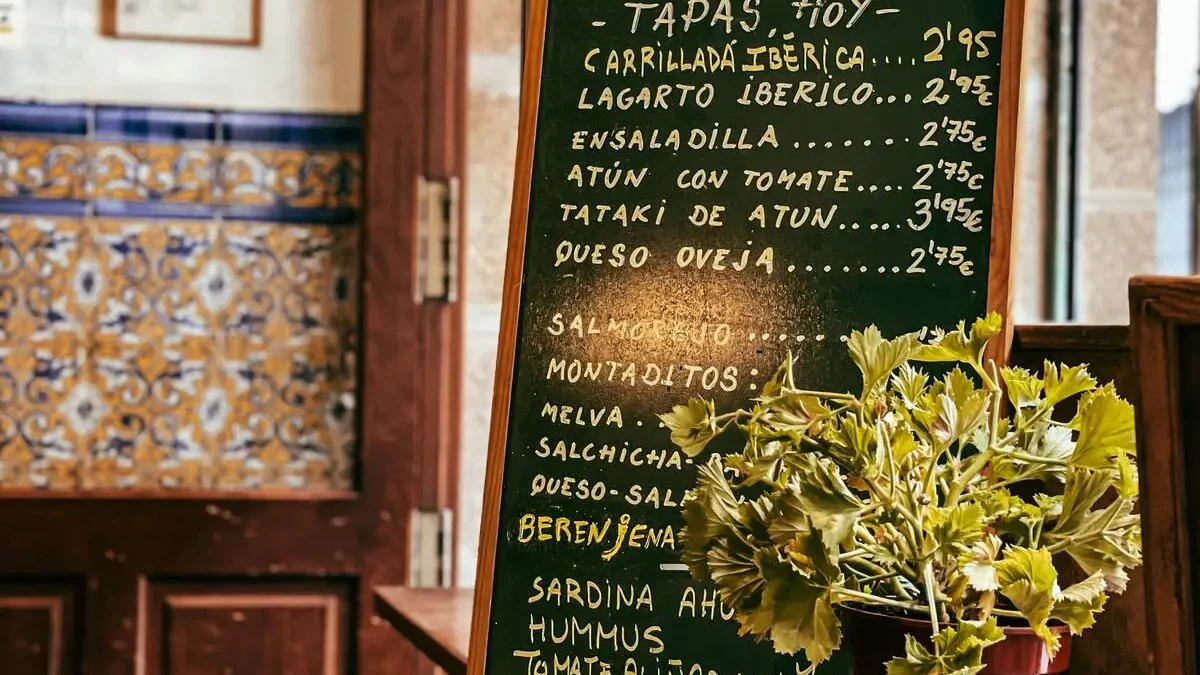
The hidden gem where the menu changes daily and the staff don’t rush you. On Calle Notario Luis Oliver — an unassuming side street near the seafront — Taberna Gaspar is a place you find because someone who loves you told you about it. The menu is handwritten on a chalkboard every day based on what the market provided. The tortilla de patatas (con cebolla, obviously — Gaspar is TEAM CEBOLLA and proud of it) rivals Cotxino’s for best in Marbella. The ensalada malagueña with a drizzle of orange oil is sunshine on a plate. The bacalao en salsa is deeply comforting. The couscous (yes, couscous — Marbella’s proximity to Morocco shows) is unexpectedly brilliant. The philosophy: “leave your hurry at the door.” They cook slow, they serve with love, and they accept card payment now (they didn’t for years — that’s the level of old-school we’re talking about). Dog-friendly. Cash-first attitude. 100% soul.
📍 C/ Notario Luis Oliver, 19, Marbella · 💰 €20-€35/person · 🕐 Wed-Sun lunch, Tue-Sun dinner · Reserve (they keep it 15 min max)
San Pedro de Alcántara: The Local’s Secret
San Pedro is where Marbella’s year-round residents eat — and where the price-to-quality ratio is the best on the western Costa del Sol. The pedestrianised centre around Plaza de la Iglesia has a genuine town-square feel: families, dogs, children running around the fountain, and a cluster of bars and restaurants that serve the local community 365 days a year rather than tourists for 4 months. Tapas in San Pedro is 20-30% cheaper than Old Town Marbella, the quality is equal or better, and the atmosphere is authentically Spanish. See our Reddit questions guide for why San Pedro is our top value recommendation for residents.
13. Bar Guerra
Older than Spain’s democracy — and better than anything that came after. Bar Guerra has been serving San Pedro since before the transition. This is the type of tapas bar that exists in every real Spanish town but is almost impossible to find in the tourist zones: a chalkboard menu that changes daily, market-fresh seafood, grandmothers at the bar at noon, working men at 2 PM, families at 9 PM. The oysters are clean and perfect. The gambas blancas (white prawns) are sweet and simple. The croquetas de rabo de toro (oxtail croquettes) are rich and deeply flavoured. The carrillada (pork cheeks) has depth and personality. This is not fusion, not modern, not “reimagined” — this is Spanish cooking as it has been for generations, done properly, with ingredients that arrived this morning.
📍 San Pedro centre · 💰 €15-€25/person · 🕐 Best: Lunch (1:30-3 PM) for the market menu · Walk-in
14. Bar Los Pacos
The hidden gem on Calle Palangre. Tucked away on a quiet side street in San Pedro, Bar Los Pacos serves a wide variety of traditional tapas at prices that make you wonder how they stay in business. The bacalao frito (fried salt cod) is crispy and perfectly seasoned. The croquetas are homemade daily. The calamares are tender and golden. The atmosphere is deeply local — Spanish conversation, football on the TV, the owner behind the bar. This is not the kind of place you find on Instagram. It is the kind of place your Spanish neighbour tells you about after you have earned their trust.
📍 C/ Palangre, San Pedro · 💰 €10-€18/person · 🕐 Best: Lunch or early evening · Walk-in always
15. La Bodega del Cantinero
The wine-and-tapas reference in San Pedro. A genuine reference point for tapas andaluzas in San Pedro — La Bodega del Cantinero serves traditional proposals alongside more sophisticated creations, all paired with carefully selected wines and the coldest beer on the boulevard. The ambience is warm and welcoming, the staff know their regulars, and the quality-to-price ratio is exceptional. The tabla de ibéricos (cured meats board) is beautifully presented. The croquetas change flavour weekly. The atún rojo (red tuna) when in season is worth the visit alone. This is the kind of bar where you go for one tapa and leave three hours later having tried eight.
📍 San Pedro boulevard area · 💰 €18-€30/person · 🕐 Best: Evening from 8:30 PM · Walk-in or reserve
16. Bar Canuto
The Sunday rice tradition since the 1960s. Bar Canuto is a San Pedro institution — the grandmother started making rice for tapas in the 1960s, and the tradition continues. Every Sunday, the arroz (rice) is the reason people queue. During the week, the bar serves classic tapas and raciones with an emphasis on homestyle Andalusian cooking. The ensaladilla rusa is old-school perfection. The caracoles (snails — a polarising but deeply traditional tapa) are served in season. This is the San Pedro that existed before the international schools and the golf courses arrived — and it is still here, still cooking, still exactly the same.
📍 San Pedro centre · 💰 €10-€20/person · 🕐 Best: Sunday for rice, any day for tapas · Walk-in
The San Pedro Tapas Crawl: 3-Stop Alternative Route
THE SAN PEDRO CRAWL — 3 STOPS, 2 HOURS, €25-€35/PERSON
1:30 PM — Stop 1: Bar Guerra. Start with the market menu. One caña and two tapas from the chalkboard: the gambas blancas (€4) and whatever the pizarra recommends today. Standing at the bar, watching the staff cross out dishes as they sell out. 25 minutes. The appetite opens.
2:00 PM — Stop 2: Bar Los Pacos. Walk 3 minutes through the pedestrian streets. One glass of house white and two tapas: bacalao frito (€3) and croquetas (€3). The kind of bar where the owner nods at you after your third visit. By now you are eating slower, talking more, watching the plaza. 25 minutes. This is the pace of life in San Pedro.
2:30 PM — Stop 3: Bar Canuto. Walk 2 minutes. If it is Sunday, the arroz is mandatory (€5-€8 per portion). If not, the ensaladilla rusa (€3) and caracoles if in season (€4). One tinto de verano. Sit outside if there is space. Watch San Pedro go about its Saturday. The children play in the plaza. The old men argue about politics. The dog sleeps under the table. You realise this is why you moved to Spain.
Total: 3 bars, 7 tapas, 3 drinks, approximately €25-€35/person. That is lunch. The entire afternoon. For the price of a starter at a Puerto Banús restaurant.
Why Tapas Culture Is the Reason People Stay in Marbella
Every agency talks about the sunshine, the beaches, the golf, the views. Nobody talks about the thing that actually makes people stay: the daily ritual of tapas. Because tapas is not just food — it is the social infrastructure of Spanish life. It is the after-school-run drink at 5 PM with the other parents. It is the Friday-night crawl through the Old Town with friends who became family. It is the Sunday lunch at the neighbourhood bar where the owner brings your caña before you order it because he has watched you walk through the door at the same time every week for 3 years. It is the random Tuesday evening when you were going to cook at home but the evening was too beautiful and the walk to the bar was too short and the jamón was too good and suddenly it is 11:30 PM and you are on your fourth glass and the waiter is your friend and the table next to you is singing and you think — this is why I live here. Not the villa. Not the pool. Not the golf. This. See our solo living guide for why tapas crawls are the fastest way for newcomers to build a social life.
This is the Marbella that Instagram does not show. Not the superyachts and the beach clubs and the sunset cocktails at €18 each — but the €2.50 glass of wine and the €3 croqueta and the conversation that lasts 3 hours and costs less than a taxi ride in London. The expats who are happiest in Marbella — the ones who stay 10 years, 20 years, forever — are the ones who discovered the tapas bars. Not the ones who discovered the beach clubs. See our winter guide for why tapas culture is what makes Marbella’s off-season special — because the bars stay open when the beach clubs close.
How to Order: The Complete Guide for Non-Spanish Speakers
Walking into a packed tapas bar where everyone is shouting in Spanish, the menu is handwritten in illegible chalk on a board you cannot read, and the waiter is moving at 100 km/h can be intimidating. Here is exactly how to handle it — from entering to paying.
Entering: walk in confidently. Do not wait to be seated unless there is a clear hostess stand (most tapas bars do not have one). If you want the bar, find a space and stand there. If you want a table, catch the waiter’s eye and hold up the number of fingers for your party. “¿Mesa para dos?” (Table for two?) works perfectly. If the bar is full, it is full — come back in 30 minutes or try the next bar. Nobody will be offended.
Getting attention: Spanish waiters do not come to your table on a rotation like Northern European or American servers. You need to catch their eye, raise a hand gently, or say “¡Perdona!” (Excuse me) or “¡Cuando puedas!” (When you can). This is not rude — it is how Spain works. Sitting silently waiting for service means you will sit silently for a very long time.
Ordering drinks: “Una caña, por favor” (a small beer). “Un vino tinto / blanco de la casa” (house red / white wine). “Un tinto de verano” (red wine with lemon soda — the summer drink). “Agua sin gas / con gas” (still / sparkling water). Start with drinks — the food order comes second.
Ordering food: point at the chalkboard or at other people’s plates if you cannot read the menu. “¿Qué me recomiendas?” (What do you recommend?) is the magic phrase — every waiter has a favourite dish, and they will steer you right. Order 2-3 tapas to start, then more as you go. Never order everything at once. “Para compartir” (to share) tells the waiter you are sharing between the table.
The bill: “La cuenta, por favor” (the bill, please). In traditional bars, the waiter may add up your tapas on a slip of paper from memory — do not be alarmed, they have been doing this for 40 years and they are almost never wrong. Tip: leave the small change or round up to the nearest euro. A €1-€2 tip on a €20 bill is generous by Spanish standards. Card payment: accepted in most places now, but carry cash for the smallest bars.
Key phrases for tapas ordering:
- “¿Qué hay hoy?” — What’s on today? (for daily specials)
- “¿Qué me recomiendas?” — What do you recommend?
- “¿Tienen algo sin gluten?” — Do you have anything gluten-free?
- “Para compartir” — To share
- “Otra ronda” — Another round (drinks)
- “Ponme otra de estas” — Give me another of these (pointing at a tapa you liked)
- “¿Cuál es la tapa de la casa?” — What’s the house speciality?
- “Está buenísimo” — This is delicious (the compliment that makes the waiter your friend)
The Perfect Tapas Crawl: 4-Stop Evening Route (Marbella Old Town)
THE LUXO TAPAS CRAWL — 4 STOPS, 3 HOURS, €35-€50/PERSON
9:15 PM — Stop 1: Taberna Casa Curro. Start with the classics. One caña and two tapas: jamón ibérico (€5) and patatas bravas (€4). Standing at the bar. 20 minutes. Warm up the appetite.
9:45 PM — Stop 2: La Niña del Pisto. Walk 2 minutes. One glass of Rioja and two tapas: salmorejo (€4) and boquerones en vinagre (€5). Sit if there is space; otherwise bar. 25 minutes. The wine starts flowing.
10:15 PM — Stop 3: El Boquerón. Walk 3 minutes. One tinto de verano and two tapas: gambas al pil-pil (€6) and croquetas de jamón (€4). By now the Old Town is alive — every bar is full, music is drifting from doorways, the cobbles are warm from the day’s sun. 25 minutes. This is why you moved to Marbella.
11:00 PM — Stop 4: La Tienda Casa Curro. Walk 1 minute. One glass of Albariño and the cheese and charcuterie board (€12). Sit down for this one — you have earned it. The final stop is the most refined, the perfect end to an evening that started simple and ended beautifully. 30+ minutes. Linger.
Total: 4 bars, 9 tapas, 4 drinks, approximately €35-€50/person. Compare that to a single dinner at a tourist restaurant on Puerto Banús (€60-€100/person). The tapas crawl is not just cheaper — it is infinitely more fun, more authentic, more memorable and more Marbella. See our solo living guide for why the tapas crawl is the best social activity for singles and newcomers.
The Tapas Glossary: What to Order in Spanish
| Spanish | What it is | Price range |
|---|---|---|
| Jamón ibérico | Cured Iberian ham, hand-carved. Spain’s national treasure | €5-€12 |
| Gambas al ajillo | Prawns sizzling in garlic and olive oil in a clay cazuela | €6-€10 |
| Boquerones en vinagre | Fresh white anchovies marinated in vinegar, garlic and parsley | €4-€7 |
| Croquetas | Deep-fried béchamel filled with jamón, bacalao or mushroom. Crunchy outside, molten inside | €3-€6 |
| Patatas bravas | Crispy fried potatoes with spicy tomato sauce and allioli | €3-€5 |
| Salmorejo | Thick cold tomato soup from Córdoba — richer, creamier than gazpacho. Topped with jamón and egg | €3-€5 |
| Pescaíto frito | Assorted small fried fish — the Málaga speciality. Boquerones, calamares, chopitos, chanquetes | €6-€12 |
| Tortilla española | Spanish potato omelette. The best ones are runny in the centre (poco hecha) | €3-€5 |
| Espetos de sardinas | Sardines skewered on bamboo and grilled over a wood fire on the beach. Málaga’s icon | €3-€5 per skewer |
| Caña | Small draught beer (~200ml). The standard tapas drink | €1.50-€2.50 |
| Tinto de verano | Red wine + lemon soda. Spain’s summer drink (not sangría — tourists drink sangría) | €2-€3.50 |
LUXO Estates
Live Where the Best Tapas Is a 5-Minute Walk
The Marbella lifestyle is not just villas and views — it is €3 croquetas at 10 PM in a cobbled alley, a €2.50 glass of wine at a bar where the owner knows your name, and espetos on the beach at sunset. At LUXO Estates, we help you find the home that puts this life on your doorstep — because the daily pleasures matter as much as the square metres.