Moving to Marbella with Kids in 2026: The Honest Guide Every Parent Needs Before Packing
Moving to Marbella with kids is simultaneously the best decision you will make for your family — and the most logistically demanding. The lifestyle is extraordinary: 320 days of sunshine, outdoor living year-round, multilingual education, beaches 10 minutes from every home, mountains behind, a safe environment where children play freely, and a pace of life that prioritises family time over commuting, convenience culture and screen-based entertainment. But the logistics are real: choosing the right international school (fees range from €6,000 to €18,000/year, and waiting lists are common), finding a family home in an area that actually works for daily school runs, navigating the Spanish healthcare system for paediatric care, understanding the visa process, managing the emotional transition for children leaving friends and familiar routines, and — most importantly — making the move at the right time so your children settle rather than struggle.
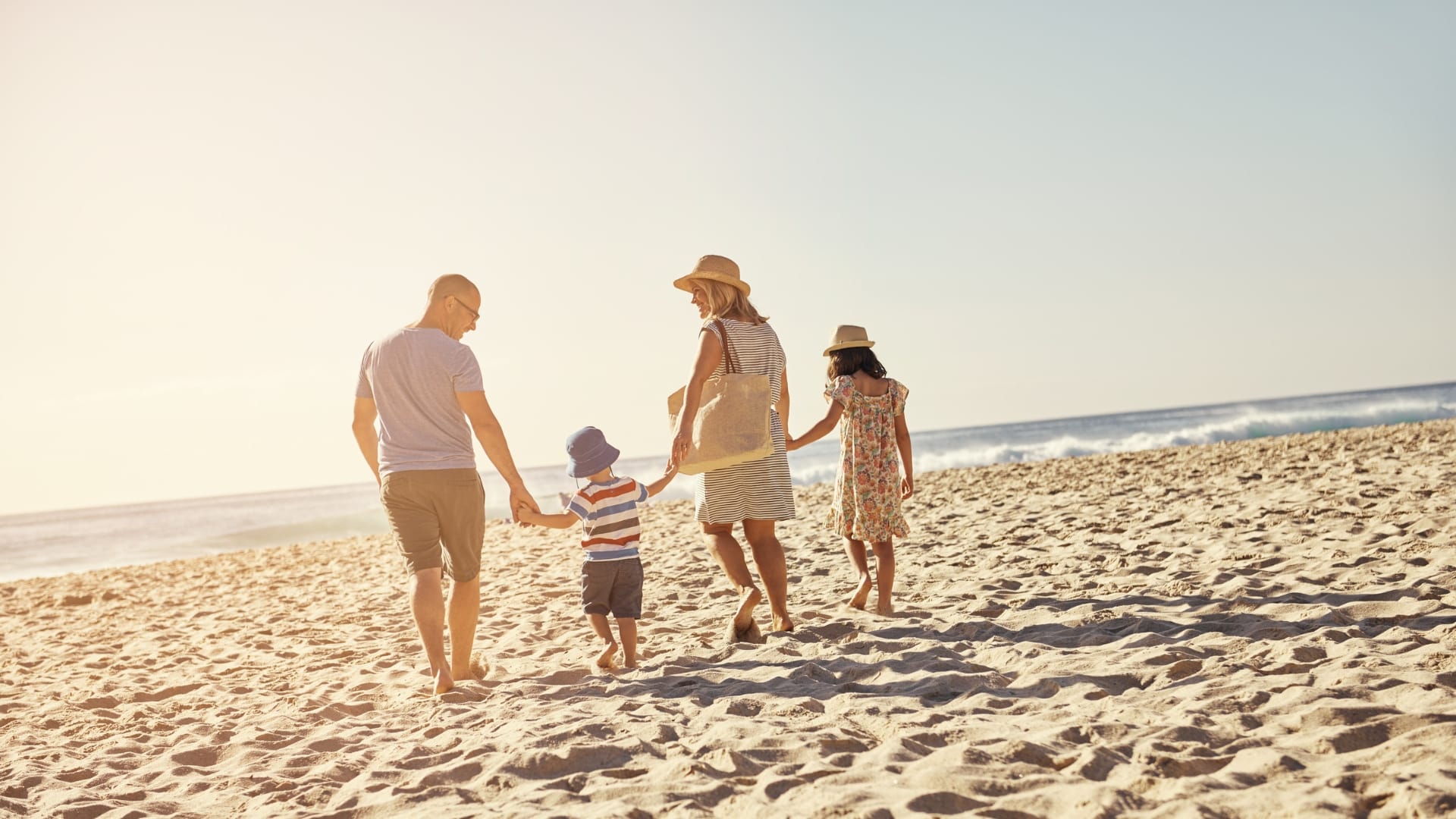
This guide covers everything a relocating parent needs to know — from the schools and the areas to the healthcare and the social integration — with the honest perspective that comes from helping dozens of families navigate this transition through LUXO Estates. We tell you what works, what is harder than expected, and what nobody mentions until you are already here.
Why Families Choose Marbella — And Why They Stay
The reasons families relocate to Marbella are remarkably consistent across nationalities: better quality of life, more time outdoors, a safer environment for children, multilingual education, and a pace that allows parents to be present rather than perpetually commuting. But the reason families stay — year after year, long after the initial novelty fades — is more specific: children thrive here. The combination of outdoor living, physical activity, international friendship groups, language acquisition (most children become trilingual within 2-3 years), and a social environment that is genuinely child-centric produces children who are healthier, more confident and more globally aware than their peers in Northern European cities.
The shift in daily rhythm is what parents describe most often. In London, Stockholm or Munich, children wake in darkness for half the year, commute to school in traffic, spend break times indoors when it rains (which is often), and arrive home in the dark. In Marbella, children walk or cycle to school in sunshine, play outside during every break, swim after school, play padel or tennis in the evening light, and eat dinner outdoors on the terrace. The screen time drops. The physical activity increases. The vitamin D levels transform. And the stress — for both children and parents — reduces measurably. This is not marketing. It is the lived experience of thousands of international families who have made the same transition and describe the same transformation.
For the full relocation picture beyond children, see our expat guide and our 10 things nobody tells you.
Schools: The Decision That Shapes Everything Else
The school you choose determines the area you live in (not the other way around). This is the most important piece of advice in this entire guide. Parents who choose their property first and then look for a school nearby invariably end up with a longer commute, a worse school fit or both. Parents who choose the school first — based on curriculum, language, pastoral care and their child’s specific needs — and then find a property within 10-15 minutes of that school have smoother transitions, happier children and less daily stress. See our international schools guide for the full analysis of every school.
| School | Curriculum | Ages | Annual fees | Best area to live |
|---|---|---|---|---|
| Aloha College | British + IB Diploma | 3-18 | €8,000-€14,000 | Nueva Andalucía |
| Swans International | British + Spanish | 3-18 | €7,000-€12,000 | Sierra Blanca, Golden Mile |
| BIS Marbella | British | 3-18 | €8,000-€13,000 | East Marbella, Elviria |
| Laude San Pedro | British bilingual | 3-18 | €6,500-€11,000 | San Pedro |
| Atlas American School | American + AP | 3-18 | €10,000-€16,000 | San Pedro, Nueva Andalucía |
| EIC (English Int. College) | British + IB | 3-18 | €9,000-€15,000 | East Marbella, Elviria |
| Colegio San José | Spanish bilingual | 3-18 | €4,000-€7,000 | Marbella centre, Estepona |
Waiting lists are real. Aloha College and Swans frequently have waiting lists for popular year groups (particularly Years 3-6 and Year 10). Apply 6-12 months before your intended move date. Most schools require entrance assessments. BIS Marbella receives strong praise for pastoral care and support for neurodivergent children. For American families, Atlas American School offers the AP curriculum that facilitates university applications back to the US. For families planning to stay long-term and wanting full bilingual integration, a Spanish bilingual school (Colegio San José, Las Chapas/Attendis, Alboran) provides deeper Spanish language acquisition but requires children to adapt to an initially Spanish-dominant environment.
Best Areas for Families with Children
| Area | Why families love it | Nearest schools | Budget from |
|---|---|---|---|
| Nueva Andalucía | Walkable, year-round families, playgrounds, golf, community feel, safe residential streets | Aloha College (5 min), Atlas American (10 min) | €500K apt / €1.5M villa |
| San Pedro de Alcántara | Town centre walkable, market, parks, boulevard, strong Spanish + expat mix, affordable | Laude (5 min), Atlas (10 min), Calpe (5 min) | €350K apt / €900K villa |
| Elviria / East Marbella | Quieter, beach proximity, dunes nature reserve, family urbanisations, less traffic | BIS (5 min), EIC (10 min) | €400K apt / €1.2M villa |
| Golden Mile | Beach + Paseo Marítimo, Puente Romano gardens, close to Swans, luxury feel | Swans (5 min), Aloha (15 min) | €800K apt / €3M villa |
| Estepona | Charming Old Town, new schools opening, beachfront promenade, affordable, growing fast | International School Estepona, San José Estepona | €300K apt / €800K villa |
For the complete area breakdown including prices per square metre, see our prices by neighbourhood guide. For why area choice is the single most important purchase decision, see our buyer mistakes guide.
Healthcare for Children in Marbella
Marbella’s paediatric healthcare is excellent — both public and private. The public system provides free vaccinations following the Andalusian calendar (comprehensive and up-to-date with European standards), regular paediatric check-ups at your centro de salud, and full hospital care at Hospital Costa del Sol’s paediatric department including a dedicated children’s emergency area. Private paediatricians are available at HC Marbella, Quirónsalud and Cenyt Hospital, all with English-speaking specialists. Private insurance for children costs approximately €30-€60/month and provides same-week specialist access without the public system’s longer waiting times. For the full healthcare picture, see our healthcare guide.
One benefit parents consistently mention: the reduced illness frequency. Children in Marbella get sick less often than their Northern European peers. The outdoor lifestyle, higher vitamin D levels, lower air pollution and reduced exposure to indoor-recirculated air (because life happens outdoors) all contribute to fewer colds, fewer respiratory infections and fewer days off school. This is anecdotal but remarkably consistent across families from the UK, Scandinavia and Germany.
Activities, Sports and Weekend Life for Families
This is where Marbella genuinely excels as a family destination — the sheer volume and variety of activities available for children is extraordinary for a city of its size. The combination of year-round outdoor weather, a wealthy international community that supports high-quality facilities, and a culture that genuinely prioritises family life creates an activity ecosystem that most European cities cannot match.
- Beaches: 27 km of coastline, lifeguards in summer, Pirates Park playground on the boardwalk, water sports (paddleboard, kayak, sailing schools), Cabopino dunes nature reserve for exploring
- Padel and tennis: Marbella is the padel capital of Europe. Clubs across the city offer children’s classes from age 5. Tennis academies include several with competitive pathways. See our padel guide
- Golf: junior programmes at most of the 15+ courses, including Las Brisas and Aloha Golf. See our golf guide
- Horse riding: multiple equestrian centres in Benahavís and the Marbella hills — trail rides, lessons and competitive programmes
- Water sports: sailing schools, windsurfing, kayaking at multiple locations. Puerto Banús and Cabopino marina both offer children’s sailing programmes
- Adventure parks: Selwo Aventura (safari park, Estepona), Bioparc Fuengirola (immersive zoo), Aventura Amazonia (treetop climbing, Elviria), Funny Beach (go-karts, trampolines)
- Indoor rainy-day options: Kids Arena (La Campana), trampoline parks, bowling (La Cañada), cinema (Cinesur La Cañada with original-version screenings), indoor climbing walls
- Cultural activities: flamenco classes, art workshops, language camps (summer intensive Spanish/English), Starlite family events. See our Starlite guide
- Mountain hiking: La Concha trails, Refugio de Juanar (gentle family walk with stunning views), Río Verde waterfalls (Istán). See our day trips guide
The weekend rhythm for Marbella families typically follows a pattern: Saturday morning sports (padel, tennis, football, swimming), Saturday afternoon beach or pool, Sunday brunch at a chiringuito (beach restaurant) followed by a walk on the Paseo Marítimo or a trip to a nearby town (Ronda, Mijas, Nerja). The social calendar is year-round — unlike Northern Europe where winter essentially eliminates outdoor socialising, Marbella families are outdoors together 11 months a year.
Safety: How Safe Is Marbella for Children?
Marbella is one of the safest environments for children in southern Europe. Violent crime affecting families is virtually non-existent. The areas where international families live — Nueva Andalucía, San Pedro, Golden Mile, Elviria, Estepona — are established residential communities with low crime, strong police presence and the kind of neighbourhood culture where children play in the street, walk to friends’ houses and cycle to the park without adult supervision from an age that would be unthinkable in many UK or US cities. Gated communities with 24/7 security, CCTV and controlled access provide an additional layer for families where security is a top priority. See our safety guide for the full analysis.
The beach safety infrastructure is strong: lifeguards at all main beaches in summer, SOS stations, marked swimming zones, police patrols on the Paseo Marítimo. The school environment is equally secure: all international schools have controlled access, security personnel and safe pick-up/drop-off procedures. For parents coming from cities where school security is a daily concern, Marbella’s relaxed but effective approach to child safety is a significant quality-of-life upgrade.
The Emotional Transition: Helping Kids Settle
This is the section that most relocation guides skip — and the one that matters most to the children themselves. Moving countries is exciting for adults who have chosen it. For children who have not chosen it — who are leaving friends, schools, routines, bedrooms, sports teams and the only world they know — it is a loss. Managing that loss with honesty, patience and practical support is the difference between a child who settles within 3-6 months and a child who resists for a year or more.
What experienced Marbella families consistently advise: involve children in the decision from the beginning. Visit Marbella as a family before committing — let children see the school, the beach, the neighbourhood. Allow them to mourn what they are leaving (friends, bedroom, routines) without dismissing those feelings as trivial. Maintain contact with home-country friends via video calls, planned visits and shared online games. Start the new school at the beginning of a term — not mid-year. And most importantly: be patient. The first 3 months are hard. The child who is miserable in October is usually thriving by February. The adjustment curve is steep but it resolves — and the children who come through it emerge more resilient, more adaptable and more globally confident than they were before.
International schools in Marbella are experienced at managing transition. They deal with new-arrival children every term and have pastoral care teams specifically designed to support integration. Buddy systems (pairing new students with established ones), ESL support (English as a second language, though most children in international schools speak English), and family integration events (school coffees, parent WhatsApp groups, community barbecues) all accelerate the settling process.
When to Move: The Best Time of Year
The ideal time to move to Marbella with children is during the summer holidays (July-August), arriving 2-4 weeks before the September school start. This gives children time to explore the neighbourhood, make initial social connections (beach, pool, summer camps), and feel some ownership of the new environment before the intensity of a new school year begins. Arriving mid-term — January or April — is more disruptive socially (friendships are already formed) but can work well if the school has strong pastoral support.
Avoid arriving in November-December: the short term before Christmas does not give children enough time to settle before the holiday disruption, and the winter darkness (shorter days, cooler weather, less outdoor socialising) makes the transition feel harder than it needs to be. The September start — aligned with the Spanish and international school academic calendar — is overwhelmingly the best option for family moves.
Real Costs: Family Budget Breakdown
| Item | Monthly cost (family of 4) | Annual |
|---|---|---|
| Rent (3-bed villa with pool, Nueva Andalucía) | €3,000-€5,000 | €36,000-€60,000 |
| School fees (2 children) | €1,000-€2,500 | €12,000-€30,000 |
| Private health insurance (family) | €250-€400 | €3,000-€4,800 |
| Groceries | €800-€1,200 | €9,600-€14,400 |
| Car (lease, insurance, fuel) | €500-€800 | €6,000-€9,600 |
| Activities / sports (2 children) | €200-€500 | €2,400-€6,000 |
| Utilities (electricity, water, internet) | €250-€400 | €3,000-€4,800 |
| Dining out / entertainment | €500-€1,000 | €6,000-€12,000 |
| TOTAL (mid-range family lifestyle) | €6,500-€11,800 | €78,000-€141,600 |
These costs are for a comfortable mid-range family lifestyle — not ultra-luxury but not budget. Families in the €5,000-€7,000/month range live well, eat well, have their children in good schools and participate in a full social life. Families at the €10,000+/month range have premium properties, top-tier schools and significant discretionary spending. For the full cost picture, see our renting vs buying guide and our hidden fees guide.
Visa and Residency for Families
EU citizens can relocate freely — register as residents, enrol children in schools and access public healthcare without visa requirements. Non-EU families have several pathways, the most common being the Non-Lucrative Visa (requires proof of income/savings, no right to work in Spain), the Digital Nomad Visa (requires remote employment or freelance income from outside Spain — see our digital nomad visa guide), and the Beckham Law regime for employed individuals relocating to Spain (see our Beckham Law guide). All visa types allow dependent children to be included in the application. Private health insurance without copays is mandatory for all non-EU visa applications — ensure your policy covers the entire family and meets the visa requirements. See our healthcare guide for insurance options.
A practical note on the visa timeline: start the application process at least 4-6 months before your intended move date. The Spanish consulate process in most countries requires an in-person appointment (which can have 2-4 week waiting times), followed by a processing period of 4-8 weeks for the visa decision. Once the visa is granted, you have 90 days to enter Spain and then 30 days to apply for your TIE (Tarjeta de Identidad de Extranjero) residence card at the Foreigners Office. For families with school-age children, the sequence is critical: secure the visa approval before confirming the school place and signing a rental contract. Schools will hold a conditional place pending visa confirmation, but they need certainty before the academic year begins.
The Language Question: English, Spanish or Both?
One of the most common questions from relocating parents is whether their children need to speak Spanish before moving. The answer: no, not if they are attending an international school where instruction is in English. But the children who integrate fastest, make the deepest friendships and ultimately get the most from the Marbella experience are the ones who learn Spanish — and ideally start before arriving. Even basic conversational Spanish (greetings, ordering food, asking for directions, playground vocabulary) gives children a confidence boost that accelerates social integration.
The language acquisition trajectory for children in Marbella is remarkably consistent: children under 8 who attend an international school with Spanish as a taught subject typically achieve conversational fluency within 12-18 months. Children aged 8-12 take 18-24 months. Teenagers take 2-3 years for genuine fluency but can achieve functional communication within 12 months. Children who attend Spanish bilingual schools (Colegio San José, Attendis schools) acquire Spanish faster but may struggle academically in the initial 6-12 months if their Spanish starting level is low. The sweet spot for most international families is a British or IB international school with strong Spanish language tuition (typically 3-5 hours per week), supplemented by extracurricular activities in Spanish-speaking environments — local sports clubs, weekend classes, neighbourhood friendships — that provide the immersive practice that classroom hours alone cannot deliver.
A practical recommendation: enrol the whole family in Spanish classes before moving. Even 20-30 hours of group or private tuition gives parents enough Spanish to navigate daily life (supermarket, pharmacy, doctor’s reception, school gate small talk) and children enough vocabulary to feel less lost on their first day. The investment in pre-arrival language preparation — typically €500-€1,000 for a family course — pays dividends that are disproportionate to the cost. It signals to children that you are taking the transition seriously and that Spanish is not optional but integral to the family’s new life.
What About Teenagers? The Honest Picture
Marbella with young children (3-12) is almost universally positive. Marbella with teenagers (13-17) is more nuanced. Teenagers who have grown up in Marbella — who have established friend groups, speak Spanish, play padel and surf — love it. Teenagers who arrive mid-adolescence — who are leaving established social lives, facing the stress of GCSEs or IB exams, and navigating identity formation in an unfamiliar environment — can find the transition significantly harder than younger siblings.
The honest challenges for teenage arrivals: Marbella is car-dependent, which limits teenage independence (you cannot walk to a friend’s house if they live in a different urbanisation 10 km away). The nightlife culture — Puerto Banús, beach clubs, supercars — creates proximity to environments that are not age-appropriate. And the social dynamics of international schools at secondary level can be more cliquey and harder to penetrate than at primary level. The mitigations are real: schools with strong pastoral care, sports teams that create instant belonging (padel is the great equaliser — every teenager plays within weeks of arriving), and a family culture that is stronger in Marbella than in many Northern European cities. But parents of 14-17 year olds should enter with realistic expectations and proactive social support.
5 Mistakes Families Make When Moving to Marbella with Kids
- Choosing the property before the school. The school determines the area. The area determines the property. Not the other way around. A beautiful villa 30 minutes from your child’s school means 60 minutes of daily driving, 300+ hours per year in traffic, and a parent who resents the commute. Choose the school first. Then find the property within 10-15 minutes of the school gate
- Arriving mid-term without preparation. September start is ideal. If mid-term is unavoidable, prepare the child with a school visit, a meeting with their form teacher, and ideally a playdate with a current student before the first day. Schools facilitate this — ask them
- Underestimating the emotional transition. Children process loss differently from adults. A 9-year-old who is “fine” for two weeks may melt down in week three. This is normal. Have patience, maintain routines, do not oversell Marbella as a paradise (which creates pressure to be happy), and allow children to miss their old life without guilt
- Not learning Spanish. Children in international schools can survive entirely in English. But they thrive when they speak Spanish — because it opens the door to local friendships, neighbourhood integration and a sense of belonging that English-only cannot provide. Invest in Spanish classes for the whole family from day one
- Isolating in an expat bubble. The families who are happiest long-term are the ones who integrate with both expat and Spanish communities. Join a local sports club (not just the school one). Shop at the mercado municipal. Attend fiestas. Let your children play with Spanish-speaking neighbours. The expat bubble is comfortable but limiting — and it is the number one reason families leave after 3-5 years. See our why expats leave guide
LUXO Estates
Find Your Family’s Home in Marbella
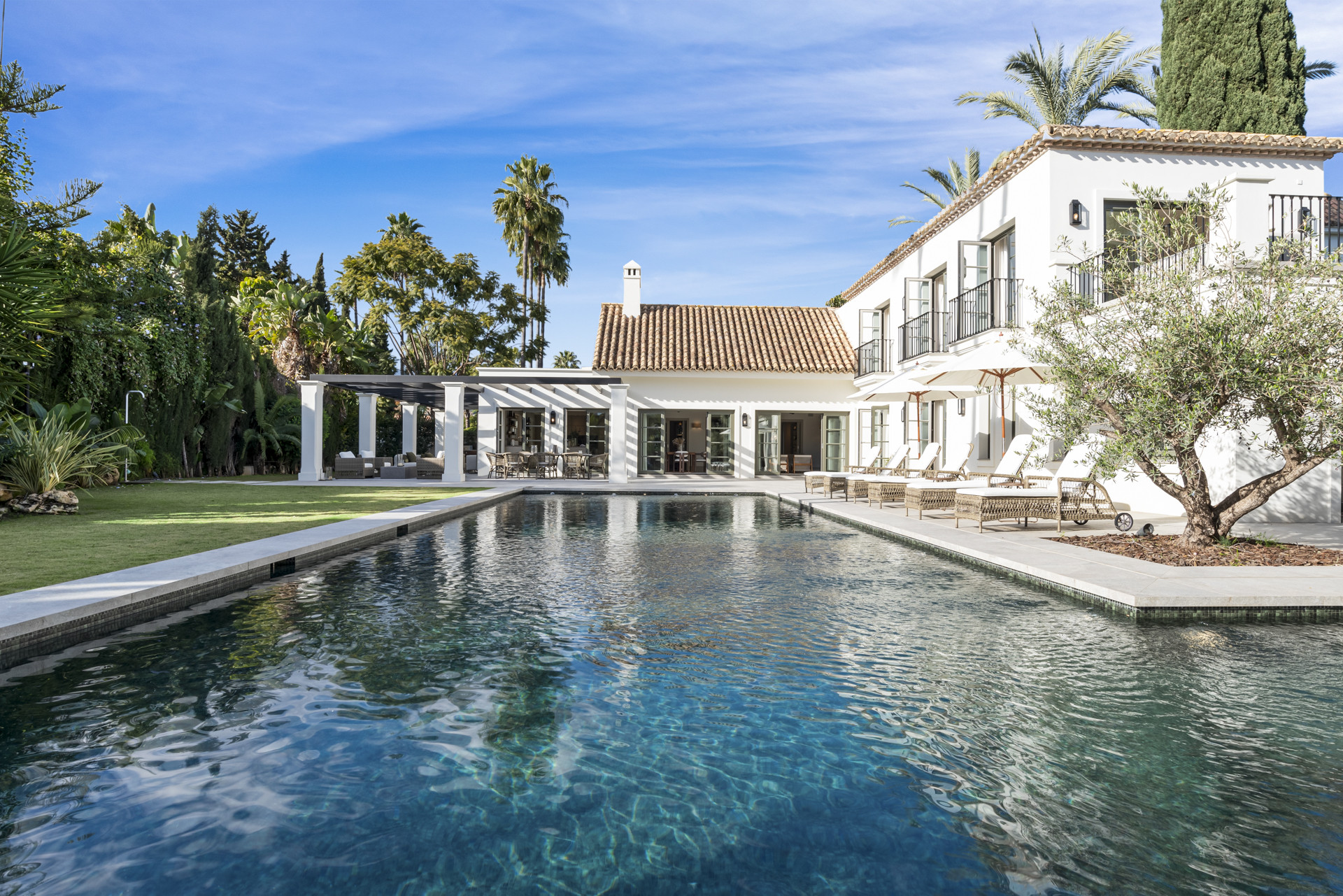
At LUXO Estates, we understand that moving to Marbella with kids is not just a property purchase — it is a life redesign. We help families find homes near the right school, in the right area, with the right community — so the transition works for every member of the family, not just the adults who chose it.