

Polo Clubs and Polo Season Near Marbella 2026: The Complete Guide
Every summer, the fields around Sotogrande — roughly 40 minutes west of Marbella along the coast toward Gibraltar — turn into one of Europe’s most storied polo destinations, drawing players, teams and a genuinely international spectator crowd from Windsor to Buenos Aires. Polo near Marbella isn’t technically played within Marbella’s own town limits, but Sotogrande’s clubs are close enough, and woven tightly enough into the Costa del Sol’s summer social calendar, that treating the two as separate worlds would miss how deeply connected they actually are. This guide covers the clubs actually worth knowing, the full 2026 season calendar, what a match day is genuinely like, and everything practical — tickets, dress, where to stay — for anyone planning to experience it firsthand.
This guide goes beyond a simple club listing. It covers how Sotogrande became one of Europe’s genuine polo capitals, the basics of the sport itself for anyone attending their first match, the specific trophies and handicap categories that structure the season, practical advice on tickets and logistics, the horses behind the sport, the wider social calendar surrounding it, and how Sotogrande’s scene compares to the sport’s other major European destinations.
Whether the plan is a single evening spent watching a relaxed early-season fixture, a full week built around the Gold Cup finals, or genuine curiosity about actually learning to play, this guide is organised specifically to answer the practical questions that matter most — not just which club to visit, but when to go, what to expect once there, and how it all fits into the broader rhythm of a Costa del Sol summer.
A Short History of Polo in Sotogrande
Sotogrande’s polo tradition traces back to the resort’s founding in the early 1960s, when American developer Joseph McMicking purpose-built the community specifically around a lower-density, land-generous model that stood in deliberate contrast to the increasingly dense coastal development already underway further east around Marbella and Torremolinos. That founding vision — spacious plots, championship golf, sailing and equestrian pursuits woven into the masterplan from day one — created exactly the kind of open, well-irrigated land polo genuinely requires, and the sport arrived here almost as soon as the resort itself did.
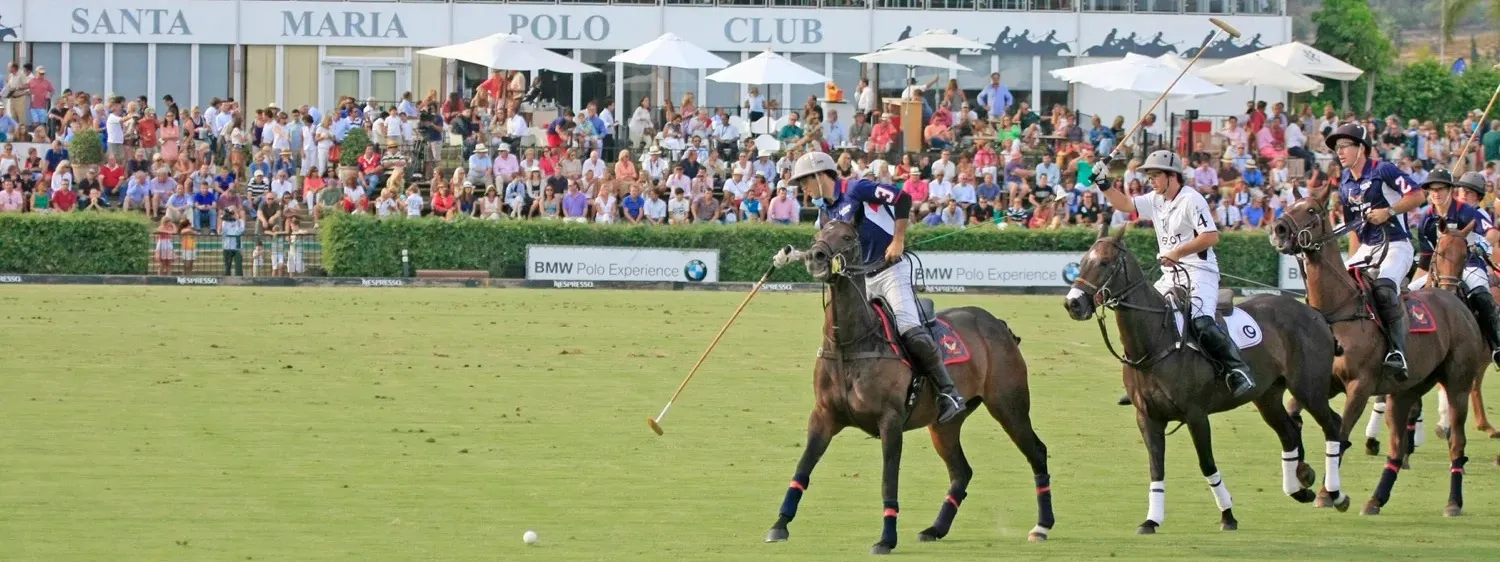
Santa María Polo Club, now the scene’s flagship venue, formalised that early enthusiasm into an organised club and tournament structure, and Sotogrande has hosted a continuous, escalating polo tradition for well over five decades since. The International Polo Tournament this guide’s 2026 calendar centres around has now run for 55 consecutive years, a genuinely rare continuity for any sporting event anywhere in Spain, let alone one held in a single, purpose-built resort community rather than a major city.
This decades-long continuity has, in turn, drawn a genuinely international roster of players and teams to Sotogrande year after year, from established Argentine polo dynasties — the sport’s traditional powerhouse nation — through to European and British teams treating the Costa del Sol as a genuine, established stop on the wider international polo calendar rather than a novelty destination. That accumulated prestige is precisely what distinguishes Sotogrande’s tournament roster today from a more recently established polo venue still building its own reputation from scratch.
|
Quick Answer Santa María Polo Club is Sotogrande’s flagship venue, hosting the 55th International Polo Tournament from July 27 to August 29, 2026, with free entry and parking for most matches. Iridike Polo Club is the strongest choice for anyone wanting hands-on lessons or a first riding experience rather than purely spectating. The season runs May 19 to September 13, 2026, across eleven tournaments at Ayala Polo Club’s Los Pinos and Ayala fields plus Santa María’s grounds. |
|
Did You Know? Despite Sotogrande’s reputation for exclusivity, most polo matches during the International Tournament are genuinely free to attend, with entry and parking at no cost — only the semi-finals and finals of the top trophies carry a ticket price, typically €5–€15. |
This pricing structure reflects a deliberate, longstanding club philosophy rather than a recent marketing decision — Santa María Polo Club has maintained largely free spectator access across most of its 55-year tournament history, treating broad public accessibility as consistent with, rather than in tension with, the club’s genuine sporting prestige. For visitors specifically comparing the cost of a Sotogrande polo evening against other Costa del Sol activities covered across LUXO’s other lifestyle guides, this makes polo one of the more genuinely affordable ways to spend a memorable summer evening, provided the specific match chosen doesn’t fall into the ticketed semi-final or final category covered above.
Why Sotogrande, Not Marbella Itself
Polo requires a very specific kind of infrastructure — multiple full-size grass fields, stabling for dozens of horses, and considerable open land — that Marbella’s own increasingly built-up coastline simply doesn’t have room for anymore. Sotogrande, developed from the 1960s onward specifically as a lower-density, more spacious luxury community built around golf, sailing and equestrian pursuits, retained exactly the kind of open land polo needs, and the sport took root there decades ago and never left.
This is precisely why this guide treats Sotogrande’s polo scene as a genuine extension of the wider Marbella lifestyle rather than an unrelated day trip — the same international, wealthy resident and visitor base that fills Marbella’s restaurants and beach clubs each summer treats a Sotogrande polo evening as a completely natural part of the same season, and property buyers specifically researching the Costa del Sol frequently weigh proximity to Sotogrande’s polo calendar alongside more conventional lifestyle factors.
Marbella’s own equestrian scene, covered in detail in LUXO’s companion guide to horse riding near Marbella, remains genuinely strong in its own right — but it centres on trekking, lessons and leisure riding rather than the competitive team sport specifically requiring polo’s particular field and stabling infrastructure. Understanding this distinction helps set accurate expectations: Marbella offers excellent riding in its own right, while Sotogrande specifically is where the competitive sport of polo itself actually happens along this stretch of coast.
🐎 The Polo Clubs
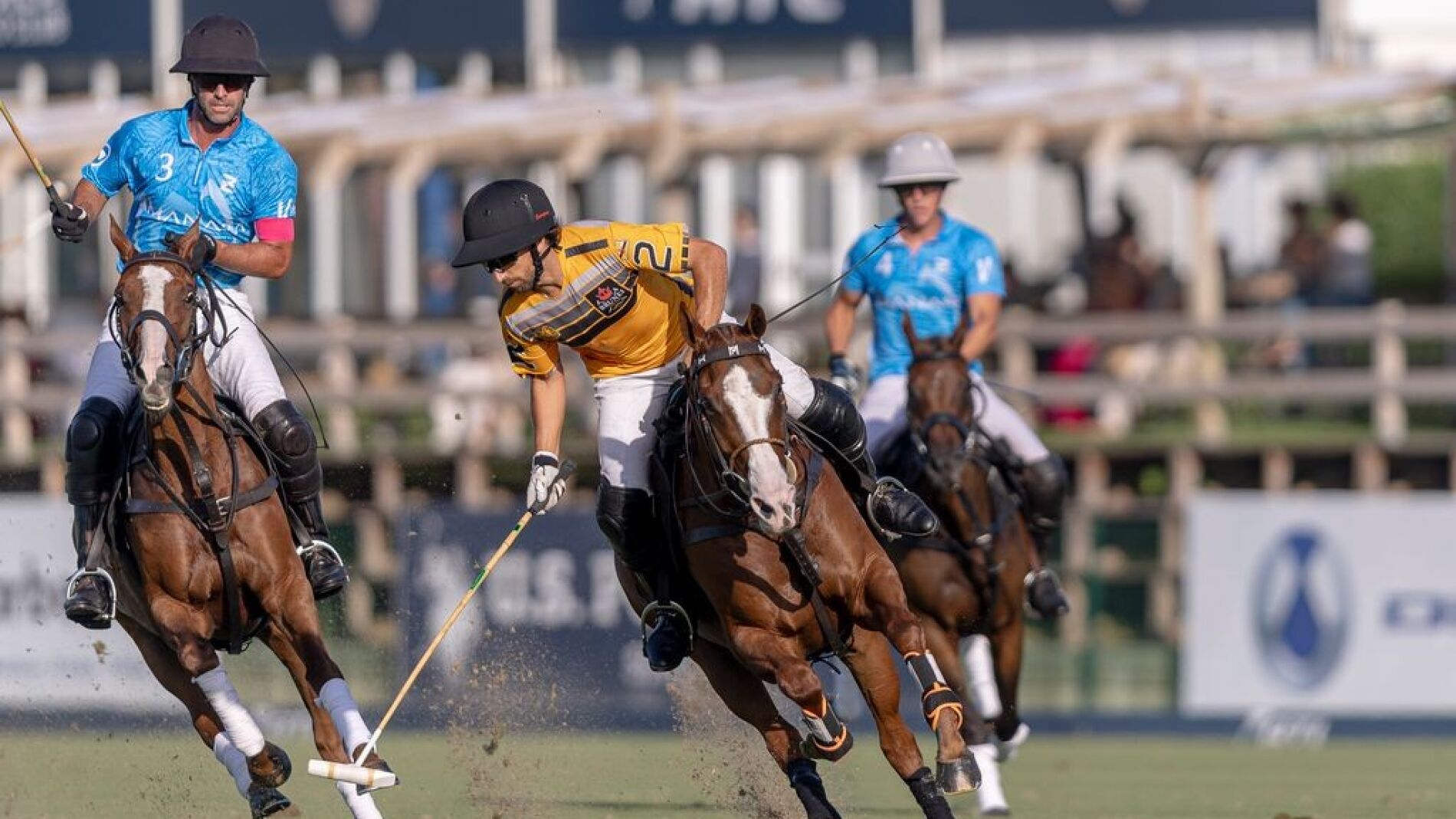
1. Santa María Polo Club — Sotogrande’s Flagship, Most Accessible Venue
A 4.4-star rating across an enormous 838 reviews, and the genuine heart of Sotogrande polo — host to the International Polo Tournament and consistently described by reviewers as combining pristine playing fields with a surprisingly unpretentious, welcoming atmosphere. One detailed review captures the tone well, describing the club as managing to feel “pleasantly unpretentious” despite its prestige, with free entry and parking for most matches lending the whole affair “a rather democratic air.”
Reviewers consistently praise the food stalls, bars and family-friendly extras — live music, children’s activities, a drinks trolley circulating the benches during matches — alongside the polo itself. Pricing at the concessions is repeatedly described as genuinely reasonable, a detail that surprises visitors expecting Sotogrande-level prices throughout; a glass of wine or a large beer typically runs a few euros, though some craft stalls draw specific criticism for considerably higher prices.
💡 Insider tip: This is the venue for the biggest matches and the strongest overall atmosphere — arrive early on Friday and Saturday evenings specifically, since these are the busiest and most popular nights of the week.
The club’s own scale deserves specific mention — hosting the majority of the International Tournament’s biggest fixtures across multiple pitches, Santa María has built an infrastructure genuinely capable of handling large crowds without losing the relaxed, unhurried character reviewers consistently describe. This combination of genuine scale and preserved atmosphere is a harder balance to strike than it might sound, and it’s precisely what distinguishes Santa María from a purely corporate, sponsor-driven sporting event.
📍 Autovía del Mediterráneo, 11310 Sotogrande, Cádiz · 📞 +34 956 61 00 12 · 💰 Free entry to most matches; semi-finals and finals €5-€15 · Best for: the fullest, most accessible spectator experience, families
2. Ayala Polo Club — Tournament Organiser, With a Genuine Service Caveat
A 4.5-star rating across 36 reviews, and the organising club behind the majority of Sotogrande’s 2026 season — six consecutive years running the high season calendar across its own Ayala fields and the Los Pinos grounds in San Enrique de Guadiaro. Reviewers invited to private events describe a genuinely well-maintained venue, with the August championship specifically praised as top-class and worth experiencing.
The honest caveat: multiple reviews describe a real decline in customer-facing service, with one describing the current commercial team as unhelpful and arrogant compared to the club’s earlier years, and another specifically complaining about post-match noise disrupting nearby residents. This guide’s research suggests the actual polo product and match quality remain genuinely strong — the criticism concentrates specifically around administrative and commercial responsiveness rather than the on-field experience itself, worth knowing if contacting the club directly for tickets, sponsorship or event enquiries.
Ayala’s specific role as tournament organiser, rather than purely a venue, matters for understanding how Sotogrande’s season actually functions — the club coordinates scheduling, handicap categorisation and the broader tournament structure across both its own fields and the Los Pinos grounds, meaning most of the season’s official calendar and results ultimately trace back to Ayala’s organisational role even when specific matches are physically played elsewhere across Sotogrande’s wider polo infrastructure.
📍 Hacienda de San Enrique, Km 1, A-2102, salida 133, 11312 San Roque, Cádiz · 💰 Varies by tournament, many matches free · Best for: the season’s main tournament calendar, though expect mixed administrative responsiveness
3. Iridike Polo Club — Best for Lessons, Beginners and a Genuinely Personal Welcome
A 4.4-star rating across 25 reviews at the historic Puente de Hierro fields, and the clear standout on this list for anyone wanting to actually play, learn or ride rather than purely watch from the sidelines. Reviewers repeatedly describe feeling like family from the first visit, with staff named specifically and warmly across nearly every review — Nano, Vika, Lucho, Mario, Luciano and his son Beltrán all draw individual praise for patience with beginners and genuine warmth.
One reviewer specifically describes a “15/10” first-ever polo experience, crediting the team for making a nervous, solo, first-time visitor feel completely safe and welcomed. Multiple reviews describe genuinely well-schooled, calm and safe horses, professionally organised lessons, stick-and-ball sessions and tournaments, plus a distinctive social dimension — asados (Argentine-style barbecues) and drinks at the club bar following matches, and even wheel polo activities for children using hand mallets.
The club’s two-field setup allows lessons and a full match to run simultaneously, meaning a beginner group and an ongoing tournament can share the same visit without either experience feeling compromised — a genuinely practical operational detail that reflects the kind of thoughtful, well-run infrastructure reviewers consistently credit throughout their accounts. The specific involvement of professional players like Luciano and his son Beltrán directly alongside club members and beginners during casual matches gives visitors a genuinely rare chance to play alongside real polo talent rather than only ever training in an isolated beginner group.
💡 Insider tip: One reviewer specifically recommends visiting Sotogrande for polo during autumn and winter, once the English polo season has ended — a shorter flight via Gibraltar and a 30-minute drive make it a genuinely convenient off-season option for players from the UK.
📍 Finca El Membrillo Carretera, 11311 Guadiaro, Cádiz · 📞 +34 607 74 59 31 · ⏰ Daily 10:00–18:00 · 💰 Lesson and experience pricing per session · Best for: beginners, hands-on lessons, a genuinely warm and personal introduction to the sport
Quick Guide: Sotogrande Polo by Priority
| If you want… | Go to | Why |
|---|---|---|
| The fullest spectator experience with family extras | Santa María Polo Club | 4.4 stars, 838 reviews, free entry to most matches |
| The season’s headline tournament matches | Ayala Polo Club | Organises the majority of the 2026 calendar |
| An actual lesson or first riding experience | Iridike Polo Club | Warmest, most personal welcome for beginners |
The 2026 Polo Season Calendar
Sotogrande’s 2026 polo season runs from May 19 to September 13, spanning eleven tournaments across Ayala Polo Club’s own fields and the Los Pinos grounds, with matches spanning Low, Medium and High Handicap categories. The season opens gently in May with a spring tournament series aimed at 6-8 goal players, building progressively toward the summer’s headline event.
This gradual build reflects a deliberate structure rather than a simple calendar coincidence — early-season, lower-handicap tournaments serve partly as preparation and form-finding for teams and players ahead of the considerably higher stakes and higher-goal competition of the August peak, meaning the specific character and intensity of a match genuinely shifts as the season progresses. Visitors specifically drawn to a quieter, more relaxed introduction to the sport may find the May and June fixtures genuinely preferable to the packed, high-intensity atmosphere of the Gold Cup weeks, while those wanting the sport at its most dramatic and competitive should plan specifically around the August peak covered in this guide’s calendar table.
| Period | Event | Notes |
|---|---|---|
| May 19 – late June | Spring tournaments (6-8 goal) | Season opener, six tournaments building toward summer |
| July 27 – August 1 | Bronze Cup | 6-8, 10-12 and 20-22 goal categories |
| August 3 – 15 | Silver Cup | Peak season, strongest atmosphere begins |
| August 17 – 29 | Gold Cup — 55th International Polo Tournament | The season’s headline event, top-level 20-22 goal matches |
| September 2 – 12 | San Enrique de Guadiaro Cup | Season winding down |
| September 10 – 13 | Farewell Cup | Official season close |
For first-time visitors specifically, the Silver Cup and Gold Cup finals in mid-to-late August offer the single best introduction to Sotogrande polo — the highest level of play, the strongest overall atmosphere, and the fullest accompanying social programme of the entire season. Iridike Polo Club’s own calendar runs slightly differently, with a dedicated La Quinta Tournament in May and a Nations Cup in October drawing top European teams once the main Sotogrande season has closed.
Weekday matches throughout the season tend to draw a noticeably smaller, more local crowd than the weekend fixtures, offering a genuinely quieter, more relaxed way to experience the sport for visitors specifically wanting to avoid the busiest evenings covered elsewhere in this guide. For anyone planning a longer Costa del Sol stay specifically around the polo calendar, mixing a quieter midweek match early in a visit with one of the marquee weekend fixtures later on offers a genuinely well-rounded sense of both the sport’s more relaxed, everyday rhythm and its biggest, most spectacular occasions within a single trip.
🤯 Things That Surprise First-Time Visitors
| Things that genuinely catch first-timers off guard
1. Most matches are free to attend. Despite Sotogrande’s exclusive reputation, the majority of the season’s matches — including entry and parking — carry no charge, with tickets reserved specifically for the biggest semi-final and final matches. 2. You don’t need to already know polo to enjoy it. Santa María Polo Club’s family-friendly extras and Iridike’s beginner-focused lessons both make the sport genuinely accessible to complete newcomers rather than requiring existing knowledge. 3. Sotogrande is genuinely close to Marbella, not a separate world. At roughly 40 minutes by car, a polo evening functions as a completely realistic addition to a Marbella-based stay rather than a major separate excursion. 4. Accommodation books up fast during peak season. Polo season is described as the most competitive rental period of the year in Sotogrande specifically — booking well ahead matters if staying locally rather than driving from Marbella. 5. The sport runs on a genuinely global professional calendar. Several players competing at Sotogrande during the European summer spend their winters competing in Argentina, reflecting polo’s international, seasonally alternating professional circuit. |
Match Day: What to Expect and What to Wear
A typical Sotogrande polo evening runs considerably more relaxed than the sport’s occasionally stuffy international reputation might suggest, particularly at Santa María Polo Club’s family-oriented matches. Reviewers describe a genuinely social, unhurried atmosphere — food stalls, a circulating drinks trolley, live music and children’s activities running alongside the matches themselves, with spectators free to move between the pitch-side benches and the surrounding social areas throughout.
Dress code varies considerably by match and specific event — regular season matches at Santa María generally call for smart-casual summer wear, comfortable enough for standing on grass for extended periods, while the more formal semi-final and final matches during the International Tournament, along with any private club or sponsor events, typically lean toward a more polished, elegant standard consistent with Sotogrande’s broader social calendar. Checking the specific match or event’s dress expectations directly before attending avoids either under- or overdressing for a specific occasion.
Practical preparation matters as much as dress code for a genuinely comfortable evening — sun protection remains essential given matches typically run through the late afternoon and early evening during the hottest months of the Sotogrande summer, and comfortable flat shoes suited to grass and slightly uneven ground serve considerably better than anything more formal or heeled. Bringing a light layer for once the sun sets is worth considering too, particularly for the September fixtures toward the season’s close, when evening temperatures drop more noticeably than during the height of summer.
Photography is generally welcomed at Santa María’s more casual matches, with several reviewers specifically describing the pitch-side benches as offering genuinely excellent, close-up views of the action without requiring professional-grade equipment. For the more formal semi-final and final matches, and particularly any private club or sponsor events layered around them, checking directly whether photography is permitted, and to what extent, avoids any awkwardness on the day — a genuinely minor consideration, but one easily overlooked amid the broader excitement of a first Sotogrande polo visit.
Getting There and Where to Stay
Sotogrande sits roughly 40 minutes west of Marbella by car along the AP-7 motorway, making a polo match a genuinely comfortable day or evening trip for anyone based in Marbella itself rather than requiring a dedicated overnight stay. For visitors specifically wanting to stay closer to the fields, Sotogrande itself offers luxury villa and apartment rentals, though this guide’s research confirms polo season represents the single most competitive rental period of the year locally, with early booking genuinely essential.
Accommodation options within Sotogrande itself range from serviced apartments within the marina area through to substantial private villas set among the resort’s golf courses, with pricing scaling considerably by proximity to the polo fields specifically and by the particular weeks of the season — the peak Gold Cup fortnight in August commands genuinely premium rates compared to the quieter shoulder periods earlier and later in the season. For visitors specifically planning to attend the marquee August fixtures, securing accommodation several months ahead, rather than assuming last-minute availability, reflects the genuinely competitive rental dynamic this guide has emphasised throughout.
For anyone preferring to remain based in Marbella and treating polo as an evening excursion, several visitors specifically recommend Estepona as a closer, more affordable alternative to Sotogrande itself while still keeping the drive to the polo fields genuinely short. Málaga Airport, roughly an hour from Sotogrande, remains the most practical international arrival point for visitors flying in specifically for the polo season.
Parking at Santa María Polo Club is included free of charge alongside general match entry, a genuinely convenient detail worth knowing given how spread out the venue’s grounds are across multiple pitches — arriving with enough time to park and walk to the specific field hosting a particular match matters more on the season’s busiest evenings, when the club’s full capacity draws considerably larger crowds than a quieter, early-season weekday fixture. For visitors driving from Marbella specifically, allowing a genuine buffer beyond the base 40-minute journey time is worth building into evening plans, particularly during the peak Silver and Gold Cup weeks when Sotogrande’s roads see meaningfully heavier traffic than during the quieter shoulder periods of the season.
For visitors without their own car, arranging a private transfer or taxi from Marbella is generally the most practical option, since Sotogrande’s public transport connections remain relatively limited compared to the town’s road infrastructure specifically built around private vehicle access. Several of the luxury car hire and concierge services covered across LUXO’s other Marbella guides can arrange exactly this kind of transfer directly, removing the need to navigate an unfamiliar route independently, particularly useful for an evening event where a glass of wine or two at the match itself makes self-driving home afterward considerably less appealing.
Understanding Polo: The Basics for First-Time Spectators
Polo is played between two teams of four players on horseback, each mounted on a specially trained polo pony, competing to hit a small hard ball through the opposing team’s goalposts using a long-handled mallet. A match is divided into periods called chukkers, each lasting seven and a half minutes, with players typically switching to a fresh horse between chukkers given the intense physical demands placed on each pony during play.
The specific number of chukkers per match varies by tournament level, with lower-handicap, more casual matches sometimes running shorter than the highest-level fixtures during the International Tournament. A distinctive tradition worth knowing before attending — the “divot stomp,” where spectators are invited onto the pitch during halftime to help replace the clumps of turf, or divots, kicked up by the horses’ hooves during play. This isn’t just tradition for its own sake; it’s a genuinely practical way for spectators to get close to the pitch and take part in the day, and Santa María Polo Club’s matches specifically build this interval into the overall spectator experience.
Scoring itself is straightforward once the basic flow of a match is understood — each goal scored through the opposing team’s posts counts as one point, with teams switching direction after every goal to offset any advantage from wind or pitch conditions specific to one end of the field. For first-time spectators, simply following the ball and watching how quickly the play shifts direction across a full-size pitch is often the most immediately engaging way to appreciate the sport’s speed and skill, well before grasping every nuance of the sport’s more detailed rules and positioning.
Handicaps and Tournament Categories Explained
Polo players carry an individual handicap rating, ranging from -2 (the lowest, most inexperienced level) up to a maximum of 10 goals, awarded only to the sport’s very best players worldwide — a genuinely rare distinction held by only a small handful of professionals globally at any given time. A team’s overall handicap is the sum of its four players’ individual ratings, and tournaments are structured around specific handicap brackets to ensure genuinely competitive matches between teams of comparable overall strength.
This guide’s 2026 calendar references several specific brackets worth understanding — 6-8 goal tournaments feature solidly skilled but not the very highest-level teams, while the 20-22 goal category featured during the Gold Cup represents genuinely elite, world-class polo, the level at which the sport’s most recognisable professional names typically compete. For a first-time spectator specifically wanting to see the highest possible standard of play, prioritising the Gold Cup fixtures within the 20-22 goal bracket during the August peak of the International Tournament offers the clearest introduction to polo at its most skilled and dramatic.
The handicap system also explains why the same tournament trophy — the Bronze, Silver and Gold Cups covered in this guide’s calendar — actually runs across multiple separate handicap categories simultaneously rather than as a single overall competition. A club fielding several different teams across the 6-8, 10-12 and 20-22 goal brackets during the same August tournament period is genuinely common, meaning a single afternoon at Santa María or Ayala’s fields can offer spectators the chance to watch matches of meaningfully different skill levels and intensity back to back, simply by moving between pitches.
How Sotogrande Compares to Other European Polo Destinations
Sotogrande’s polo scene is worth understanding relative to Europe’s other major polo destinations, since its specific character — genuinely accessible, largely free spectating, alongside serious elite-level competition — distinguishes it meaningfully from some comparable venues. England’s Guards Polo Club and Cowdray Park, both closely associated with British royal patronage, carry perhaps the most historically prestigious reputation in European polo, but typically operate with a more formal, ticketed structure and considerably less of the free, walk-up accessibility that defines Santa María Polo Club’s approach specifically.
Deauville in France and St Moritz in Switzerland — the latter famous specifically for polo played on snow during winter — both offer their own distinctive takes on the sport within a broader luxury resort context, similar in spirit to Sotogrande’s own model, though neither matches the sheer continuity of Sotogrande’s 55-year International Tournament history. What genuinely distinguishes Sotogrande within this wider European context is the combination of world-class competitive polo, largely free public access, and direct integration into a broader Mediterranean luxury lifestyle destination — few if any comparable polo venues elsewhere in Europe offer quite this same combination of sporting prestige and genuine, low-barrier public accessibility.
Argentina remains the sport’s true global heartland, producing the overwhelming majority of the world’s highest-handicap players and hosting the sport’s most prestigious domestic competitions — several of the professionals who compete regularly at Sotogrande during the European summer spend their winter season competing on Argentine fields instead, reflecting polo’s genuinely global, seasonally alternating professional calendar. For Sotogrande specifically, this means the Costa del Sol’s summer tournament season regularly attracts players who, only months earlier, were competing at the very highest level within Argentina’s own domestic polo scene, a further marker of the genuine international quality this guide’s coverage throughout has emphasised.
Property and Lifestyle Near Sotogrande’s Polo Scene
For buyers and long-term visitors specifically drawn to the equestrian and polo lifestyle covered throughout this guide, Sotogrande itself and the wider corridor between Sotogrande and Marbella have developed a genuine property market shaped partly around proximity to the polo season specifically. Villas directly overlooking or within walking distance of Santa María Polo Club’s fields command a genuine premium during peak season rental periods, reflecting exactly the same competitive summer rental dynamic covered earlier in this guide.
For buyers specifically weighing a Marbella-based property against something closer to Sotogrande itself, the roughly 40-minute drive covered throughout this guide means a Marbella base remains genuinely practical for regular polo attendance without requiring a move to Sotogrande specifically — though for buyers whose lifestyle priorities centre more heavily on year-round equestrian access, similar to the pattern covered in LUXO’s guide to horse riding near Marbella, a property specifically closer to Sotogrande’s polo and riding infrastructure may be worth the trade-off against Marbella’s own broader restaurant, beach and nightlife scene.
Sotogrande’s broader property market has, in recent years, increasingly attracted buyers specifically citing the polo season as a genuine, tangible factor in their purchase decision rather than simply an incidental local amenity — much as golf-focused buyers weigh proximity to a specific championship course, polo-focused buyers increasingly treat proximity to Santa María or Ayala’s fields as a genuinely comparable lifestyle consideration. This trend reflects the broader pattern this guide has traced throughout: polo in Sotogrande has evolved from a niche sporting pursuit into a genuine, significant thread within the wider Costa del Sol lifestyle economy, valued by residents and property buyers well beyond the relatively small community of committed polo players and followers themselves.
The Polo Ponies Themselves
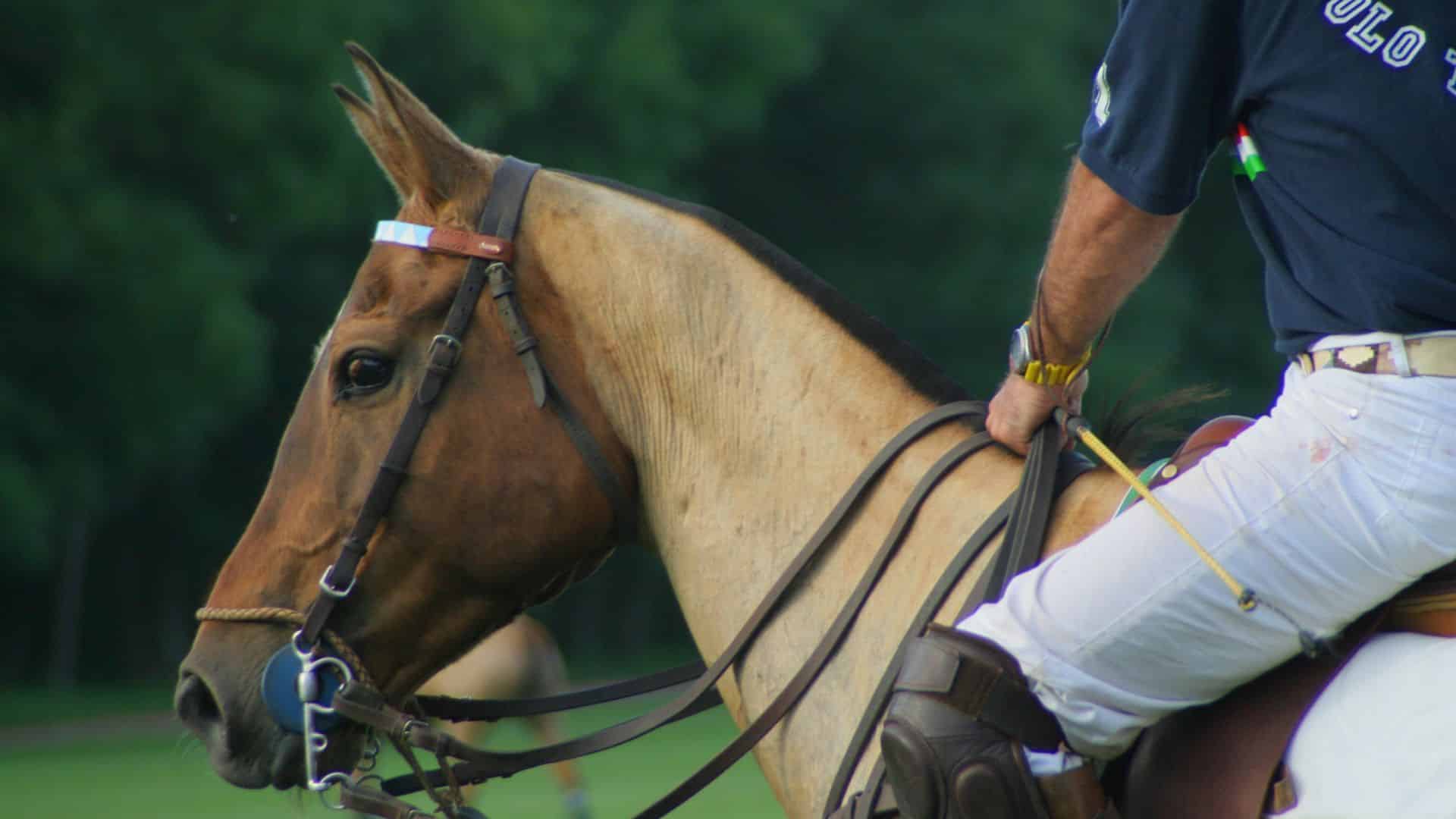
Despite the name, polo ponies are actually full-sized horses, typically standing around 15 hands, specifically bred and trained for the sport’s unique demands — explosive acceleration, tight turning, and the ability to withstand physical contact with other horses during play without losing composure. The Argentine Criollo and Thoroughbred crosses common across professional polo, including several of the horses reviewers specifically praise at Iridike Polo Club, are prized specifically for combining raw athleticism with a genuinely calm, biddable temperament under pressure.
A single high-level match typically requires each player to use several different ponies across the various chukkers, given how physically demanding a full chukker of play is for any individual horse — this is part of why top-level polo, and the 20-22 goal matches during Sotogrande’s Gold Cup specifically, represents such a genuinely significant logistical operation behind the scenes, with dozens of horses transported, stabled and rotated through a single tournament. For visitors specifically curious about this side of the sport, Iridike’s smaller-scale, more accessible setup offers a considerably closer, more personal view of how these horses are cared for and trained than the larger tournament venues typically allow.
Training a genuinely capable polo pony typically takes several years, starting from basic groundwork and progressing gradually through increasingly demanding exercises before a horse is considered ready for genuine competitive match play — a considerable investment of time and expertise that underlies the sport’s reputation for genuine horsemanship rather than treating the animal side of polo as incidental to the human competition. This depth of investment in the horses themselves is part of what several Iridike reviewers specifically credit when praising how “well-schooled, safe and clearly well looked after” the club’s ponies are, a detail that speaks directly to the quality of training and care behind the scenes rather than simply the visible skill of the human players during a match.
Beyond the Pitch: Sotogrande’s Social Calendar
Polo season in Sotogrande brings with it a broader social calendar that extends well beyond the matches themselves, much as Marbella’s own summer season layers restaurant openings, beach club parties and cultural events across the warmer months. Sponsor and club events, private dinners and after-match gatherings at the various clubs’ bars and restaurants all form part of the wider polo season experience, particularly during the peak Silver and Gold Cup weeks in August when Sotogrande’s international visitor numbers reach their highest point of the year.
This broader social dimension is precisely why polo season functions as such a significant date on the Costa del Sol’s collective calendar rather than simply a sporting fixture of interest only to committed polo followers — for many of Sotogrande and Marbella’s international residents, the season represents one of the year’s genuine social high points, worth planning around regardless of how closely any individual actually follows the sport’s competitive details.
Sotogrande’s marina and its surrounding restaurants and bars similarly see a genuine seasonal lift during the polo months, with several venues specifically timing their own peak-season programming — extended hours, special menus, live entertainment — to coincide with the tournament calendar rather than treating it as coincidental overlap. For visitors specifically wanting to extend a polo evening into a fuller Sotogrande night out, the marina area offers a natural next stop once the day’s matches have finished, continuing the same social rhythm the polo season itself has helped establish across this specific corner of the Costa del Sol.
Frequently Asked Questions About Polo Near Marbella
Is there polo in Marbella itself?
Not directly — Sotogrande, roughly 40 minutes west of Marbella, is the region’s genuine polo hub, with Santa María Polo Club and Ayala Polo Club hosting the main season.
When is the 2026 polo season in Sotogrande?
The season runs from May 19 to September 13, 2026, with the headline 55th International Polo Tournament — the Bronze, Silver and Gold Cups — running from July 27 to August 29.
Do I need to buy a ticket to watch polo in Sotogrande?
Most matches are free to attend, including entry and parking. Only the semi-finals and finals of the top trophies during the International Tournament carry a ticket price, typically €5-€15.
Can I learn to play polo near Marbella?
Yes. Iridike Polo Club specifically offers beginner-friendly lessons and stick-and-ball sessions, with reviewers describing a genuinely warm, patient welcome for complete newcomers.
What should I wear to a Sotogrande polo match?
Smart-casual summer wear suits regular season matches. Semi-finals, finals and private club events typically call for a more polished, elegant standard — worth checking the specific event’s dress expectations directly.
How far is Sotogrande from Marbella?
Roughly 40 minutes by car along the AP-7 motorway, making it a genuinely comfortable day or evening trip from a Marbella base.
What is a chukker in polo?
A chukker is a period of play lasting seven and a half minutes. Players typically switch to a fresh horse between chukkers.
What does a player’s handicap mean in polo?
Individual players are rated from -2 up to a maximum of 10 goals, with a team’s overall handicap being the sum of its four players’ ratings.
How does Sotogrande compare to other European polo destinations?
Sotogrande combines world-class competitive polo with largely free public access, a combination few comparable venues in England, France or Switzerland offer to the same degree.
The Bigger Picture
Polo’s role in the Costa del Sol’s summer calendar goes well beyond a single sporting fixture — it’s one of the genuine threads connecting Marbella’s broader luxury lifestyle to Sotogrande’s quieter, more spacious equestrian identity, and understanding the season’s rhythm is genuinely useful for anyone building a life or a visit around this stretch of coast. Whether the goal is a relaxed Friday evening watching a Low Handicap match with a glass of wine, front-row seats for the Gold Cup final, or an actual first riding lesson at Iridike, Sotogrande’s polo scene offers a genuine, welcoming way into one of Europe’s most storied sporting traditions.
What distinguishes this specific corner of the Costa del Sol’s summer calendar from a purely manufactured luxury spectacle is precisely the continuity and genuine sporting substance this guide has traced throughout — 55 consecutive years of the same International Tournament, real professional-level competition drawing genuinely elite players, and a level of public accessibility that few comparably prestigious sporting traditions anywhere in Europe can match. For visitors and residents alike, that combination of substance and accessibility is worth experiencing directly rather than simply hearing about secondhand from Marbella’s wider summer social conversation.
Whether your interest in polo runs toward the competitive sport itself, the broader social calendar surrounding it, or simply the genuine pleasure of a summer evening spent on manicured grass fields with a drink in hand and the sound of hooves in the background, Sotogrande’s clubs offer a version of this experience that remains, remarkably, still accessible to anyone willing to make the short drive from Marbella and simply show up. That combination of world-class sport and genuine openness is, in the end, precisely what makes this corner of the Costa del Sol’s summer calendar worth understanding properly rather than treating as a vague, distant rumour of exclusivity that isn’t actually there to experience firsthand.
|
LUXO Live Within Reach of Sotogrande’s Polo Season From Marbella’s Golden Mile to properties closer to Sotogrande itself, LUXO Estates knows which addresses put polo season within easy reach. |
Related: Horse Riding in Marbella 2026 · Nueva Andalucía Area Guide · LUXO Estates Marbella Properties